







Search Results for: High-Altitude Specialty Coffee

Pour-Over Beans from High-Altitude Regions: Why Are Floral and Fruity Notes Clearer?
In the specialty coffee world, people often say that high altitude produces good beans, and the logic behind this actually has to do with the slow, high-mountain growth of coffee cherries. The higher the altitude, the lower the temperature, and the slower the coffee cherries ripen, so sugars and flavor compounds accumulate more fully, which shows up in the cup as clearer floral and fruity aromas and brighter acidity. Ethiopia's high-altitude growing [more…]
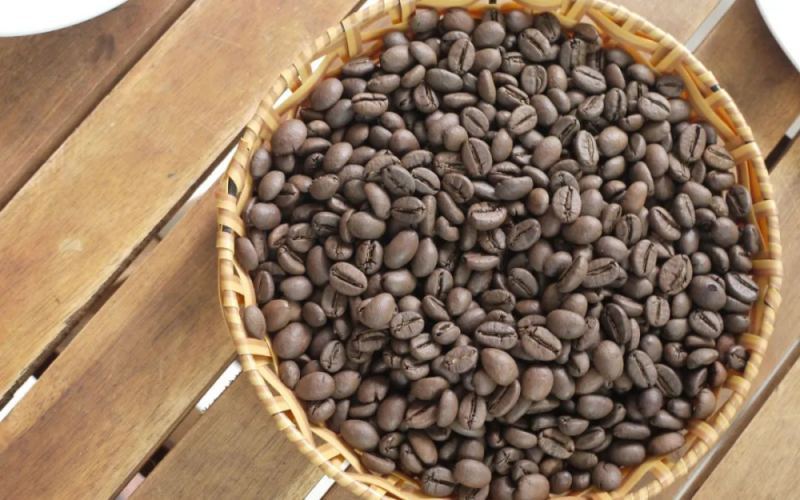
The Specialty Coffee World Reexamines Robusta: Can High-Altitude Cultivation and Anaerobic Processing Rewrite Entrenched Impressions?
For a long time, Robusta coffee beans have been largely neglected in the specialty coffee world, often associated with low altitudes, extensive farming, and bitter flavors. However, over the past two years, this situation has been quietly changing. From a World Barista Championship competitor using high-altitude Vietnamese Robusta blended with Geisha to place fourth, to more and more specialty coffee shops incorporating it into espresso blends or even launching single-origin anaerobic natural products, Robusta is returning to the industry's spotlight with a brand-new image. Climate change poses severe challenges to Arabica cultivation, while Robusta, with its strong environmental adaptability—combined with producers cultivating and processing it to specialty Arabica standards—reveals surprising flavor layers such as barley tea, nuts, caramel, and even fermented fruit notes on a base of high body and low acidity. This article will explore in depth the reasons behind this trend, the details of processing methods, and whether Robusta can truly shed its old label and win renewed recognition from coffee enthusiasts. [more…]
Costa Rican Coffee Regions: History and Variety Characteristics: From Environmental Purification to High-Altitude Flavor Analysis
Costa Rica is an important representative of specialty coffee in Central America, renowned not only for its high-altitude growing regions but also for its emphasis on environmental protection during production. This article provides a comprehensive analysis of the flavor secrets of Costa Rican coffee, covering the history of the origin, representative estates, harvest periods, variety characteristics, and grading classifications. The article also introduces well-known growing regions such as Tarrazú and Central Valley, as well as La Pila Estate's non-washed processing and methane recycling. Front Street Coffee recommends a variety of Costa Rican beans, taking you to experience the unique acidity and aroma and consistent quality of high-altitude Caturra varieties. [more…]
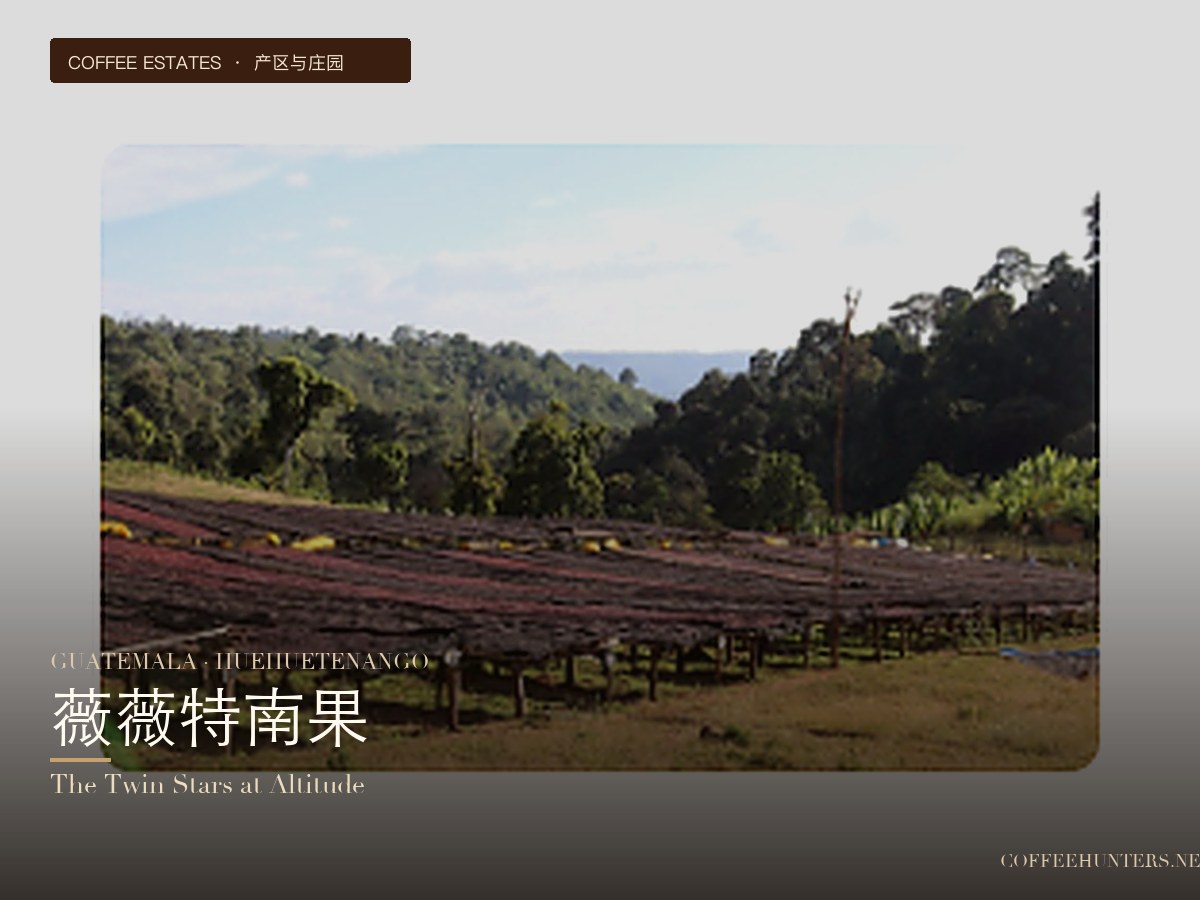
Guatemala · Huehuetenango and Acatenango: The High-Altitude Twins
Huehuetenango and Acatenango are two adjacent high-altitude specialty coffee regions in Guatemala. The former is located in the Maya highlands near the Mexican border, while the latter sits right beside the Acatenango volcano. This article provides an in-depth analysis of these two high-altitude twin-star regions. [more…]
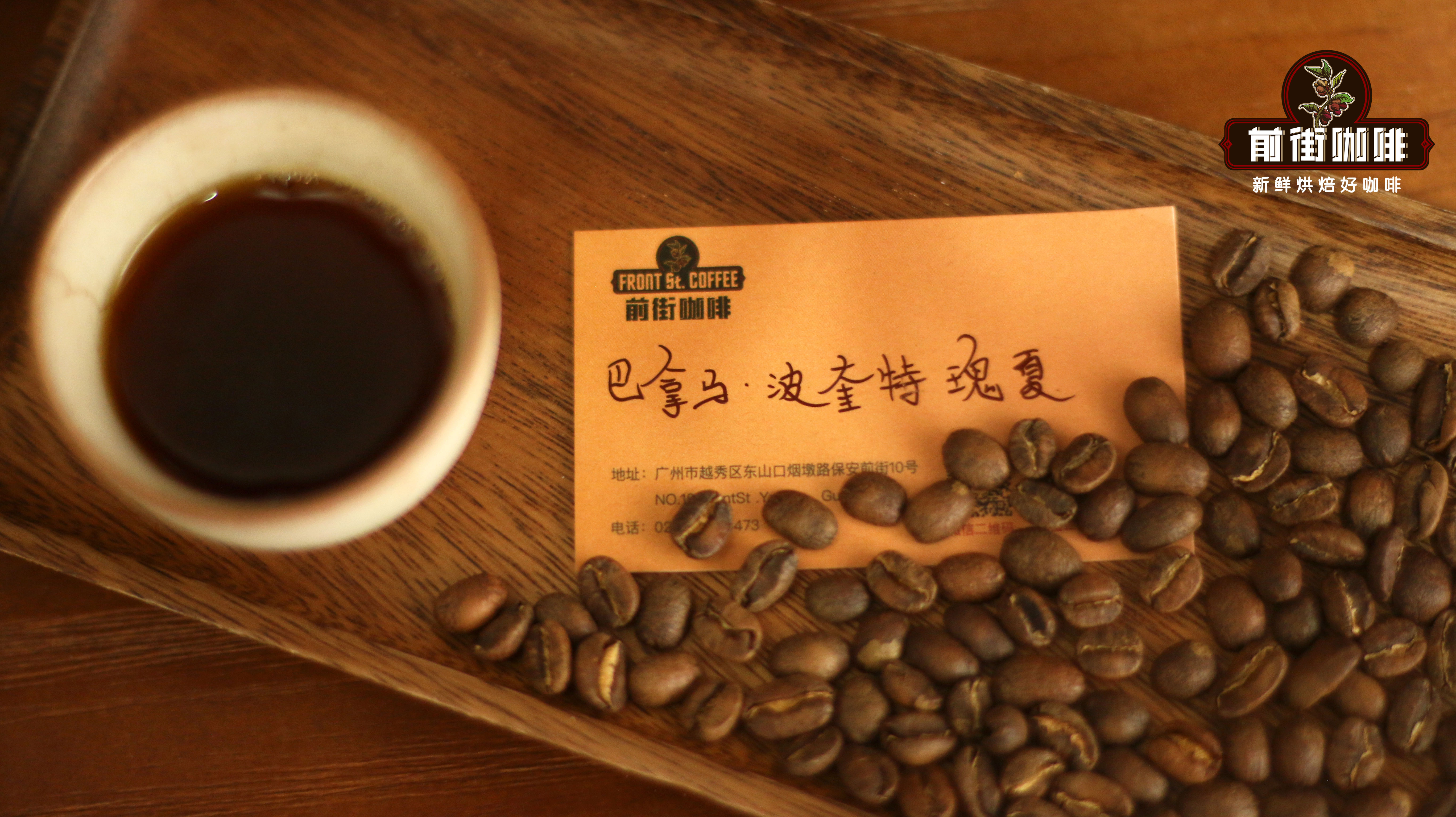
Exploring Panama's Boquete Region: The Origins of Geisha and the High-Value Choice of Butterfly Coffee
Although Panama is a small country, it occupies a pivotal position in the world of specialty coffee. Its western mountainous region, bordering Costa Rica, nurtures coffee beans of exceptional flavor thanks to its unique microclimate and high-altitude volcanic soil. This article takes you into the core production area of Boquete to learn about the origin and characteristics of Geisha, a rare wild variety, analyze where the rich flavor of Panama's high-altitude coffee comes from, and focus on Front Street Coffee's Butterfly, a high-value everyday drinking bean featuring a Geisha blend—from terroir to brewing method, all explained in one go. [more…]
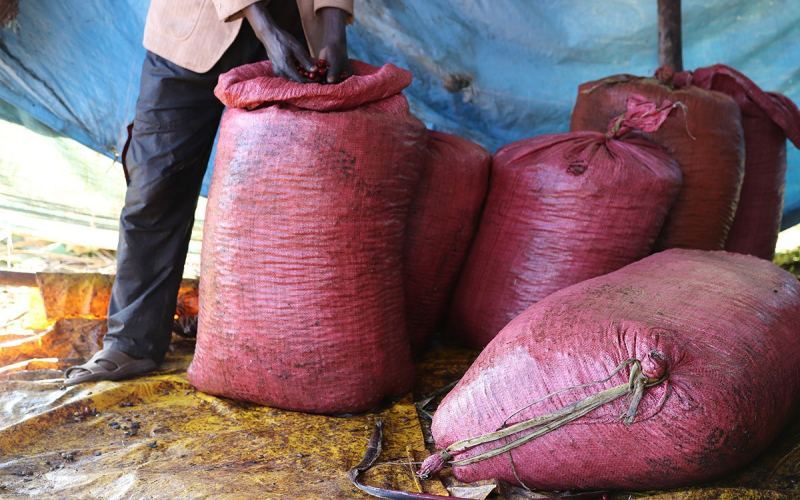
Coffee Beans from the Guji Region: A Floral Representative of High-Altitude Washed Ethiopian Coffee
When it comes to Ethiopian coffee, Yirgacheffe and Sidamo are familiar names, while Guji is a newer region that has only gradually come into the specialty spotlight over the past decade or so. It sits right next to these two major regions, with higher elevations and more distinctive flavors, especially known for its floral aromas and clean acidity. More and more coffee lovers are turning their attention to it. [more…]

Why High-Altitude Cultivation Creates Specialty Coffee: A Comprehensive Comparison of Arabica and Robusta Beans
Coffee, as an evergreen shrub in the Rubiaceae family, is mainly cultivated in two major categories: Arabica and Robusta, with specialty coffee mostly coming from Arabica branches such as Typica, Bourbon, and Caturra. About 70 countries worldwide grow coffee in tropical and subtropical regions between 25 degrees north and south latitude, and it usually takes three to five years from sowing to first flowering. This article will provide a detailed introduction to the complete growth cycle of the coffee tree from seedling cultivation and flowering to fruit ripening, and systematically compare the core differences between Robusta and Arabica in terms of growing altitude, flavor characteristics, and share of production. At the same time, for coffee lovers who prefer a rich, oily mouthfeel, the article also specifically recommends two espresso beans containing Robusta components, Front Street Classic Blend and Front Street Commercial Blend, to help readers understand coffee varieties and purchasing directions more comprehensively. [more…]

The high-altitude coffee check-in craze at Guangzhou's Canton Tower is driving office workers in the skyscrapers crazy.

A chain coffee shop in Guangzhou, store by .jpg, located on the 41st floor of an office building, quickly went viral on social media because customers can take photos with Canton Tower up close. The average spending is low and no reservation is required—just register at the front desk and you can go upstairs to take photos—attracting a large number of young people to come and check in. However, the resulting elevator congestion and occupied public areas have made office workers in the building miserable. The property management subsequently limited the number of daily tickets and removed the lounge chairs and tables. How will this high-altitude coffee craze ultimately end? [more…]
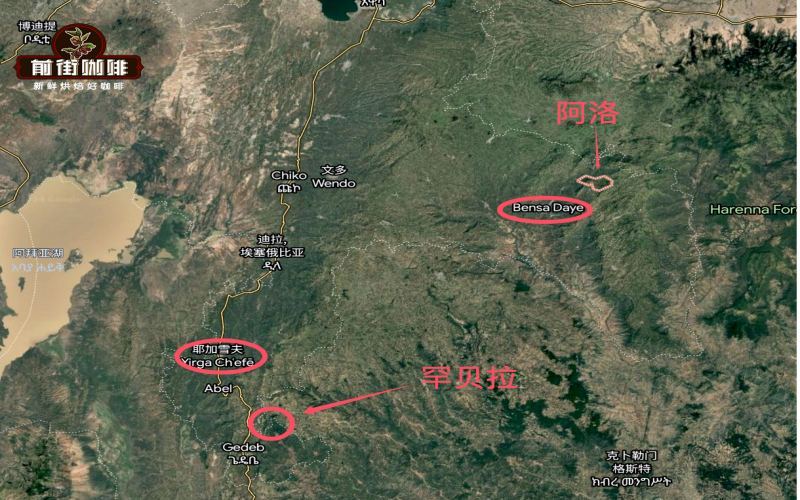
Exploring Ethiopia Sidamo Bensa Alo Village: The Flavor and Origin Story of High-Altitude Floral Coffee
Ethiopia, as the birthplace of coffee, has always been a pilgrimage destination for specialty coffee enthusiasts. In recent years, Alo Village in the Bensa area of Sidama has quickly risen to fame thanks to its outstanding performance as the 2021 COE champion, becoming a hot topic of discussion in the coffee world. Alo Coffee founder Tamiru Tadesse started from scratch, bringing the floral and fruity aromas of this high-altitude land to the world. This article will guide you through the origin background of Alo Village, the distribution of processing stations, the natural processing of the 74158 variety, and the cupping flavors and brewing suggestions brought to you by Front Street Coffee, so you can experience the unique charm of this coffee. [more…]
Exploring Ethiopia Yirgacheffe Idido Cooperative: A Complete Analysis of the Flavor and Brewing of High-Altitude Red Honey Processed Coffee
Yirgacheffe, as one of Ethiopia's most representative specialty coffee regions, has its Idido Cooperative continuously producing stunning coffee beans thanks to its high-altitude valley environment, heirloom variety advantages, and excellent processing techniques. This article will start with the cooperative's operational background, sort out its relationship with the YCFCU union and its direct trade model, then focus on the details of the Red Cherry Project and the red honey processing method, and fully document Front Street Coffee's roasting curve, cupping performance, and V60 brewing parameters for this Yirgacheffe red honey-processed Red Cherry, providing coffee enthusiasts with a comprehensive reference extending from the origin to the flavors in the cup. [more…]

Ethiopia Sidama Bensa Alo Village Alo Coffee Explored: Brand Origins, High-Altitude Farming, and Natural-Process Flavor Fully Analyzed
Alo Coffee is an Ethiopian green bean brand that has attracted much attention in the specialty coffee circle in recent years, coming from Arlo Village in Bensa Town, Sidama Region. Founder Tamiru Tadesse Tesema won the 2021 COE competition with anaerobic natural 74165, quickly making this small high-altitude production area famous. Coffee trees in Arlo Village grow between 2,200 and 2,400 meters above sea level, and slow ripening brings higher density and complex aromas. This article will sort out Alo Coffee's brand background, production area location, processing station layout, and natural processing details, and, combined with Front Street's cupping experience, present the flavor layers of this bean from magnolia and passion fruit to yellow peach and dried hanging apricot, helping coffee enthusiasts fully understand the unique charm of Arlo Village. [more…]
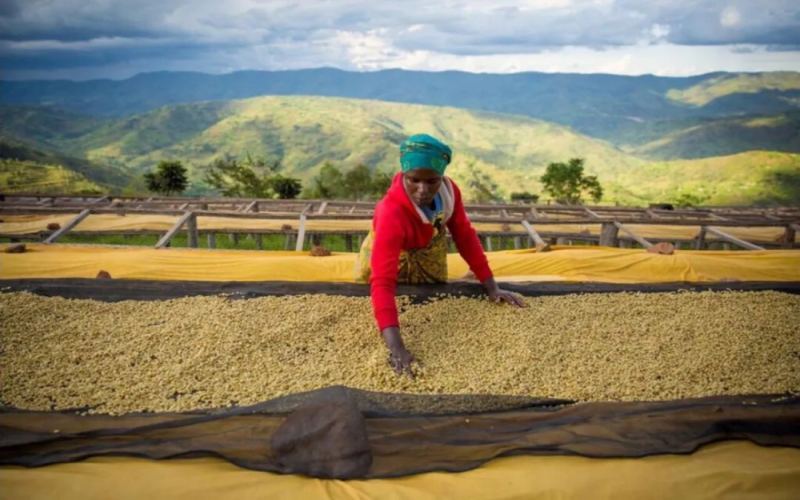
Exploring Ethiopia Yirgacheffe: The Flavor Code and Full Harvest Picture of a High-Altitude Wet Production Region
Yirgacheffe is Ethiopia's most iconic specialty coffee region, located on a highland plateau at an altitude of 1,700 to 2,100 meters, renowned worldwide for its distinctive floral and fruity aromas and bright acidity. This ancient area, known as the "wetland," is shrouded in mist year-round with a mild, humid climate, giving rise to numerous native coffee varieties. Front Street Yirgacheffe, as a classic representative of this region, has become a preferred choice for entry-level specialty coffee with its low bitterness, refreshing taste, and adaptability to multiple brewing devices. This article will guide you through an in-depth understanding of Yirgacheffe's geographical environment, historical context, harvesting patterns, and flavor characteristics, unveiling the story behind how this small town became a coffee legend. [more…]
Panama Boquete Hacienda Elida: A Complete Analysis of the High-Altitude Specialty Coffee Flavors of Geisha, Catuai, and Typica
Located in the Boquete production region of Panama, Elida Estate is a rare specialty coffee estate in Central America with an altitude exceeding 1,800 meters, and along with Hacienda La Esmeralda and Duncan Estate, it is known as one of Panama's three major estates. The estate primarily cultivates three varieties: Catuai, Typica, and Geisha, and is renowned for its strict hand-picking and low-temperature Resting purification process lasting more than five months. This article will provide an in-depth introduction to Elida Estate's geographical environment, historical heritage, variety composition, and flavor characteristics, and present Front Street Coffee's flavor description and brewing suggestions for the estate's natural-process batch, taking you to appreciate the unique charm of this ultra-high-altitude estate. [more…]
Exploring Ethiopian Yirgacheffe: A Full Analysis of the Unique Flavors and Harvesting of Its High-Altitude Wetland Region
Yirgacheffe is one of Ethiopia's most iconic specialty coffee regions, situated at an altitude of nearly 2,000 meters. It has been a wetland since ancient times, and its unique terroir fosters a captivating flavor profile interwoven with floral and fruity notes. There are no dedicated plantations here; coffee trees grow naturally among forests and farmland, managed by coffee communities or cooperatives in surrounding villages. The harvest season runs from October to January each year, when trading companies come to town to purchase coffee beans collected by farmers. For beginners just getting into specialty coffee, Front Street Yirgacheffe is the perfect choice for experiencing the charm of Ethiopia's coffee regions. Its low bitterness, refreshing mouthfeel, and bright acidity make it suitable for various brewing methods such as pour-over, French press, AeroPress, and cold brew. This article will take you on a deep dive into Yirgacheffe's geographical background, historical origins, and harvest details. [more…]

Ecuador, the Equatorial Country: A Complete Analysis of the Terroir and Flavor of High-Altitude Organic Coffee Regions
Among the many coffee-producing countries in South America, Ecuador is often overlooked, yet it possesses ideal conditions for growing specialty coffee, such as low latitude, high altitude, and volcanic ash soil. In this article, Front Street will take you through the coffee-growing history and recent revival of this equatorial country, the terroir characteristics of major producing regions such as Loja, the Galápagos Islands, and the Intag Valley, as well as the flavor expressions brought by washed processing and varieties like Bourbon and Typica—juicy and complex, with jammy sweetness and yellow fruit notes. We also include Front Street's roasting and brewing suggestions, so you can fully appreciate the potential and charm of Ecuadorian organic coffee beans. [more…]

Nicaragua Mercedes Estate Coffee: An Analysis of Tropical Fruit Flavors, Regional Terroir, and Processing Method Characteristics
Tropical fruit flavors are a highly recognizable aroma type in coffee, with aromas such as passion fruit, mango, and pineapple often appearing in high-altitude sun-dried coffees from Africa and Central and South America. Starting from tropical fruit flavors, this article introduces several representative fruity Front Street Coffees and provides an in-depth analysis of the growing conditions, industry background, and processing method evolution of Nicaraguan coffee. The focus is on the Matagalpa region and the Limoncito Estate, understanding how their high-altitude shade-grown cultivation, hand-picking, and honey processing create delicate and rich fruit, herbal, and creamy notes, and how these factors together shape the unique charm of Nicaraguan specialty coffee. [more…]

Exploring Honduras' Sweet Orange Estate: The Rise of High-Altitude Specialty Coffee and the Secret to Its Frequent Wins at the Cup of Excellence
Honduras has performed impressively on the international coffee stage in recent years, with its export volume now ranking third in Latin America and fifth globally. From early industry lag to today's frequent emergence of specialty coffees, this Central American country has completed a remarkable transformation. Among them, El Naranjo estate, located in the Marcala region, has become one of the representative estates of Honduran specialty coffee thanks to its high altitude of 1,800 meters, the careful cultivation of Catuai and Geisha varieties, and its strong track record of multiple Cup of Excellence (COE) awards. Front Street Coffee takes you on an in-depth look at this estate, named after the orange trees used for shade, exploring its flavor characteristics, management philosophy, and sustainable development practices. [more…]
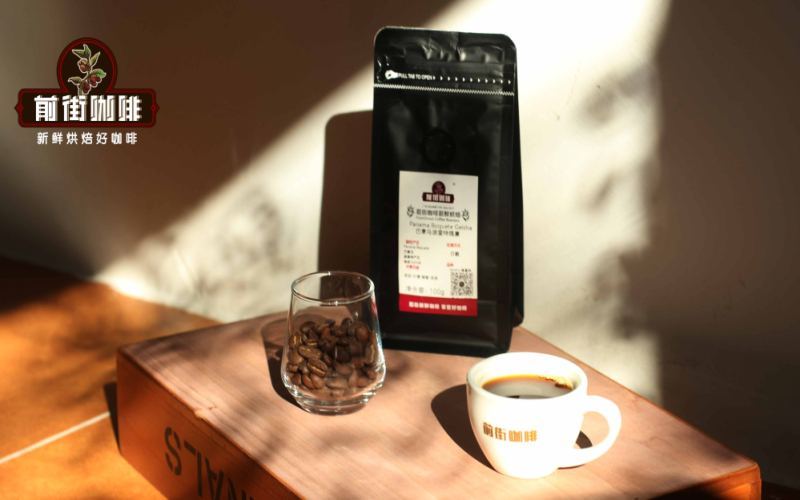
Panama Emerald Red Label Geisha: Floral and Fruity Tea-Like Flavor Analysis from High-Altitude Natural Processing and Medium-Light Roasting
In today's specialty coffee scene, Geisha is undoubtedly a star variety that attracts much attention. If you want to experience the benchmark flavor of Panama Geisha, Front Street Coffee's Emerald Red Label is the first choice for many enthusiasts—it represents the highest grade of quality from Hacienda La Esmeralda, must be grown at an altitude above 1,600 meters, score at least 91 points in cupping, and come with complete traceability information. Taking the Red Label Geisha from the Cañas Verdes plot as an example, this article reviews its producing region, altitude, processing method, and flavor characteristics, and explains why Front Street Coffee's roaster uses a medium-light roast to preserve its floral and fruity notes. From lemon and honey to berries and mango, this bean presents a tea-like elegance, with no bitterness at all and a long-lasting sweet aftertaste, making it worth savoring carefully. [more…]
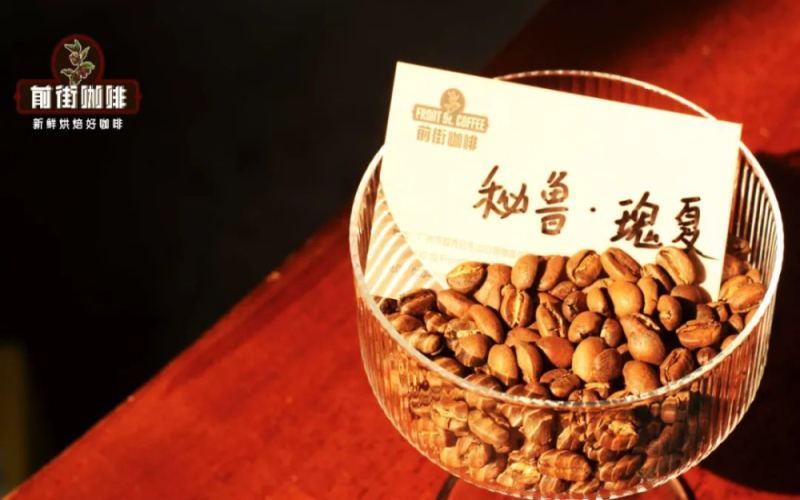
The Path to Specialty Coffee in a Low-Profile South American Origin: An Analysis of Peruvian Coffee Flavor Characteristics and Washed Processing Taste Profile
In the world coffee landscape, Peru has long remained low-key, yet thanks to its high-altitude growing conditions, rich microclimates, and predominantly washed processing methods, it has gradually become a coffee-producing region that attracts considerable attention in the specialty coffee world. This article systematically reviews Peru's coffee-producing regions, variety composition, and historical development, analyzes the reasons behind its reputation for cleanliness, gentle fruit acidity, and balanced mouthfeel, and, using a washed Geisha from the Cajamarca region as an example, presents the complete flavor expression from cupping to a three-pour hand brew, helping coffee lovers understand the core question of whether Peruvian coffee is acidic and whether it tastes good. [more…]
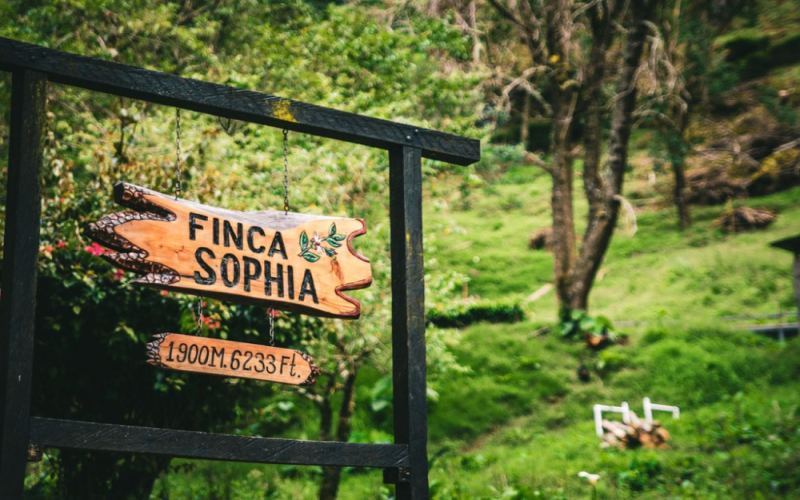
The Geisha Legend of Sofia Estate: Flavor Secrets from High-Altitude Cultivation to BOP Champion
In the brilliant starry sky of Panama's specialty coffee, Finca Sophia is a particularly dazzling new star. Founded in 2008 by coffee expert Willem Boot, this estate, with its ultra-high-altitude growing environment and extreme pursuit of the Geisha variety, won the washed category championship on its first participation in the BOP competition in 2017, and in 2020 won the washed category championship again as well as second place in the natural category. This article will delve into the background story, cultivation challenges, and terroir conditions of Finca Sophia, and present a detailed flavor description and brewing suggestions for the 2022-crop natural Geisha sold at Front Street Coffee stores, unveiling the unique charm of this top-tier Geisha for you. [more…]